Custom Decks & Exterior Projects
in Northern Utah
✦ WHAT WE BUILD
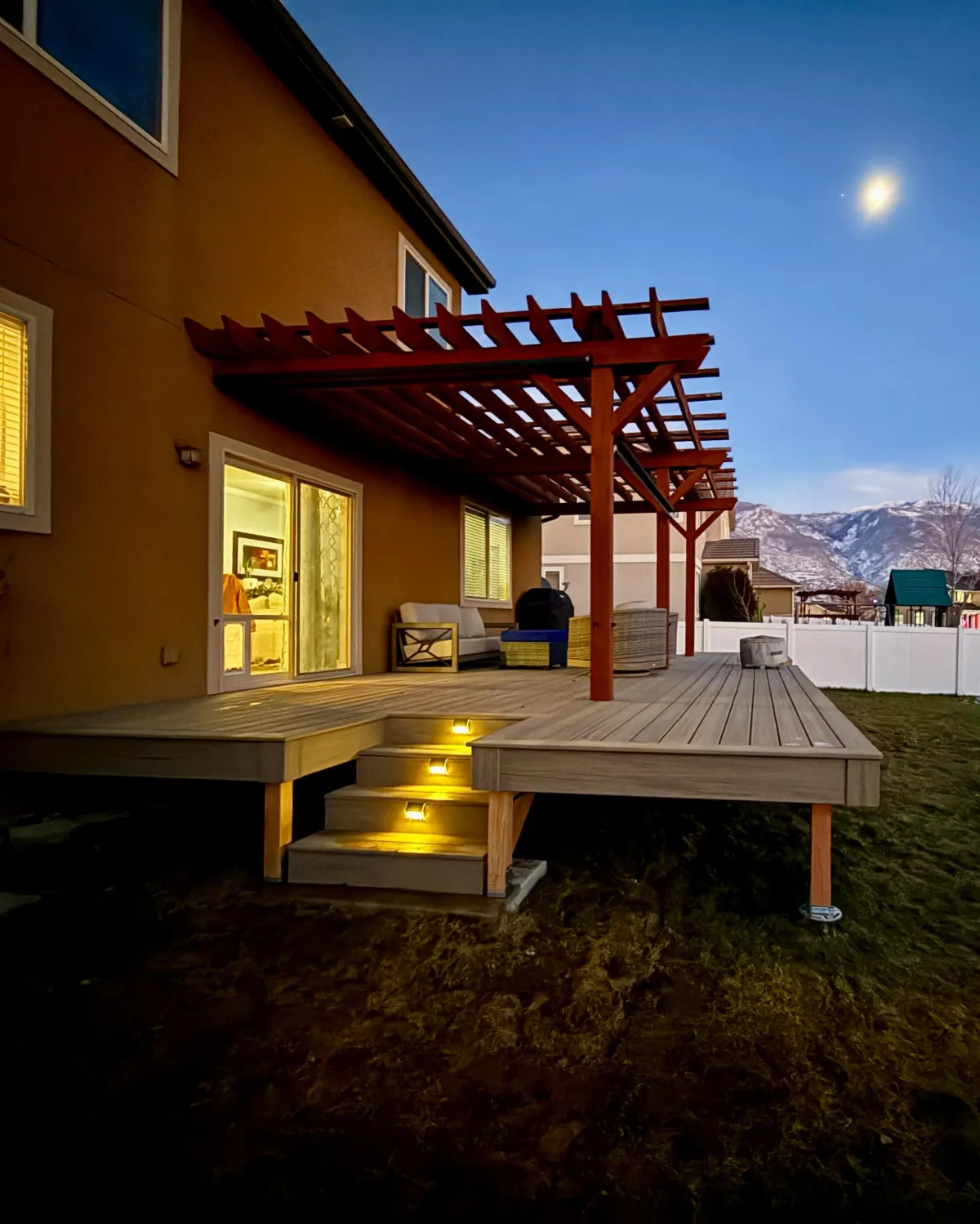
Decks built for a Utah winter
A deck here takes more punishment than a deck almost anywhere else. Snow sits on it for months, and the ground moves through a hundred freeze-thaw cycles a year.
So we build for it — footings below frost depth, framing sized for real snow loads, and materials that hold up. We handle the whole job: design, permits, footings, framing, decking, railings, and finish work.
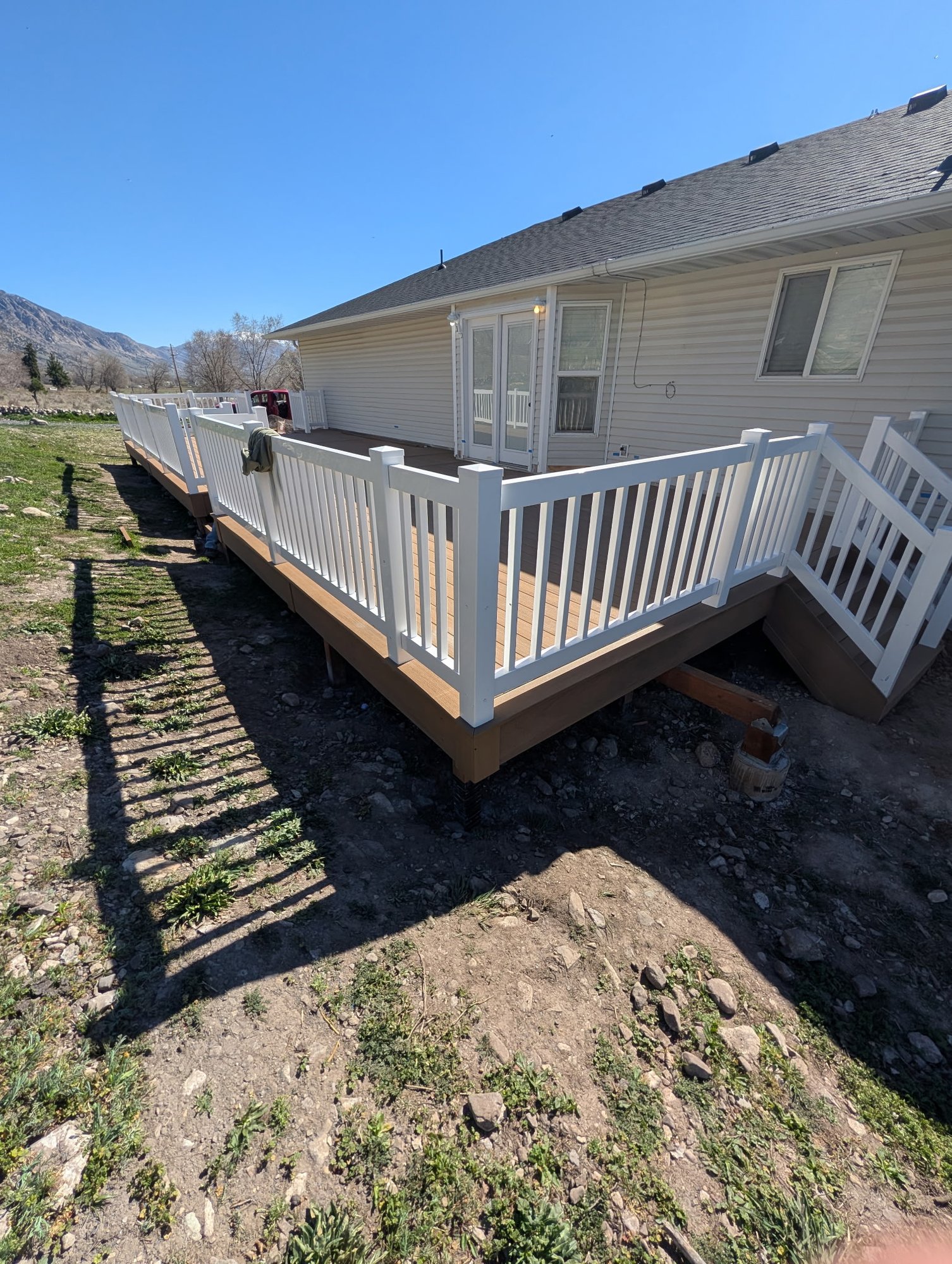
Composite and PVC decking — TimberTech Certified Pro Company
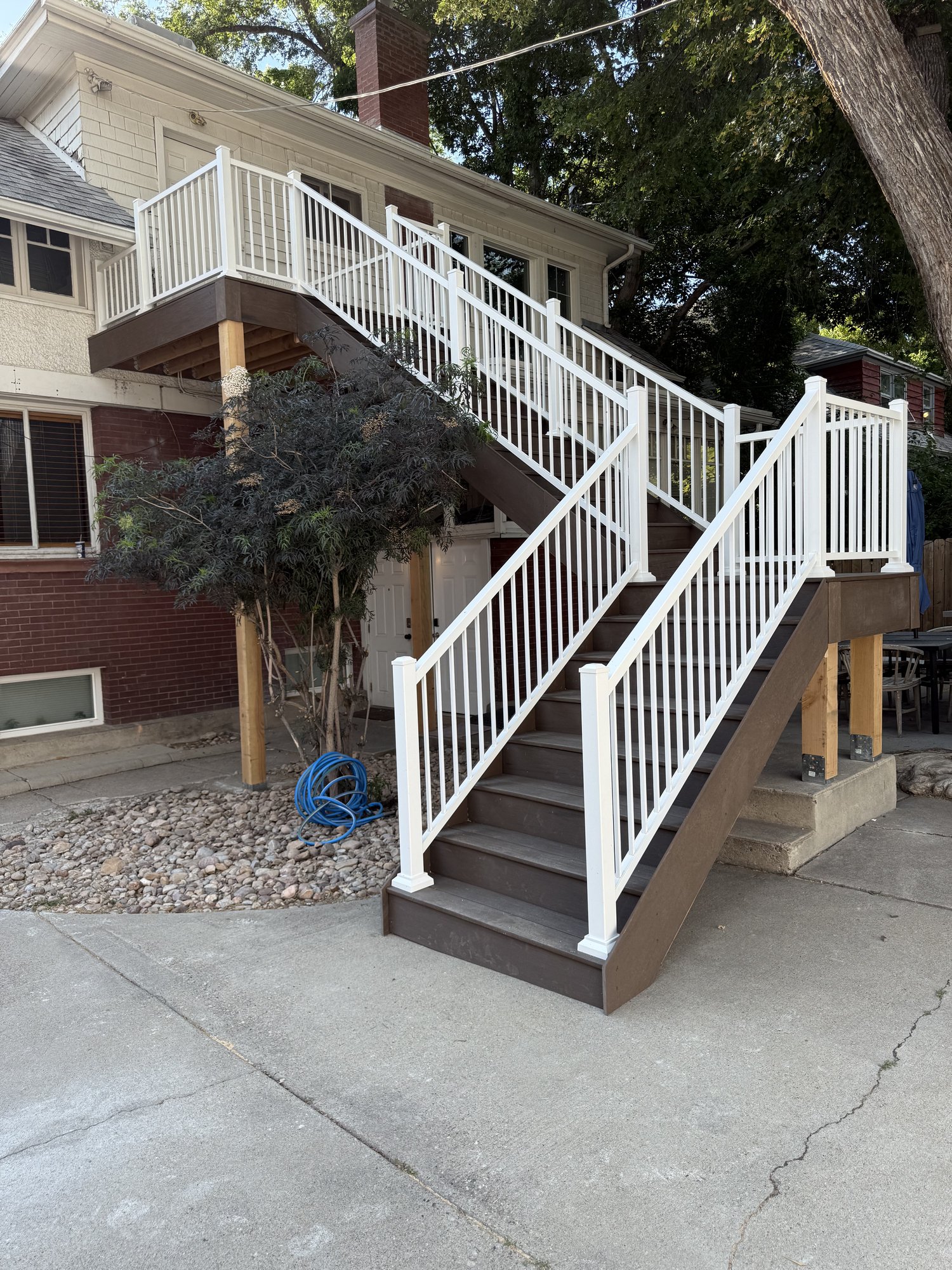
Railings, stairs, and built-in seating
Covered decks, pergolas, and pavilions
Frost-depth footings and snow-load-rated framing
✦ CHOOSING YOUR DECKING
Composite, PVC, or wood?
The honest answer is that it depends on how long you're staying and how much maintenance you're willing to do. Here's how they actually compare in our climate.

Composite
Up-front cost
Similar Cost
Lifespan here
25–30 years
Maintenance
Wash it. That's it.
Freeze-thaw
Won't split, warp, or rot
Worth it if
You're staying 10+ years or don't want maintenance
PVC
Up-front cost
Highest of the three
Lifespan here
50 years, with warranties to match
Maintenance
Rinse it off
Freeze-thaw
No wood content — can't rot or absorb water
Worth it if
This is your forever home
Wood
Up-front cost
Similar Cost
Lifespan here
10–15 years if maintained
1-2 years if not maintained
Maintenance
Clean and re-stain every 6 months
Freeze-thaw
Have to reseal every year because of the snow and weather in Utah, High maintenance
Worth it if
You want real wood grain or a lower starting budget
Not sure which way to go? We'll price all three on the same estimate.
✦ CONCRETE, PATIOS & WALKWAYS
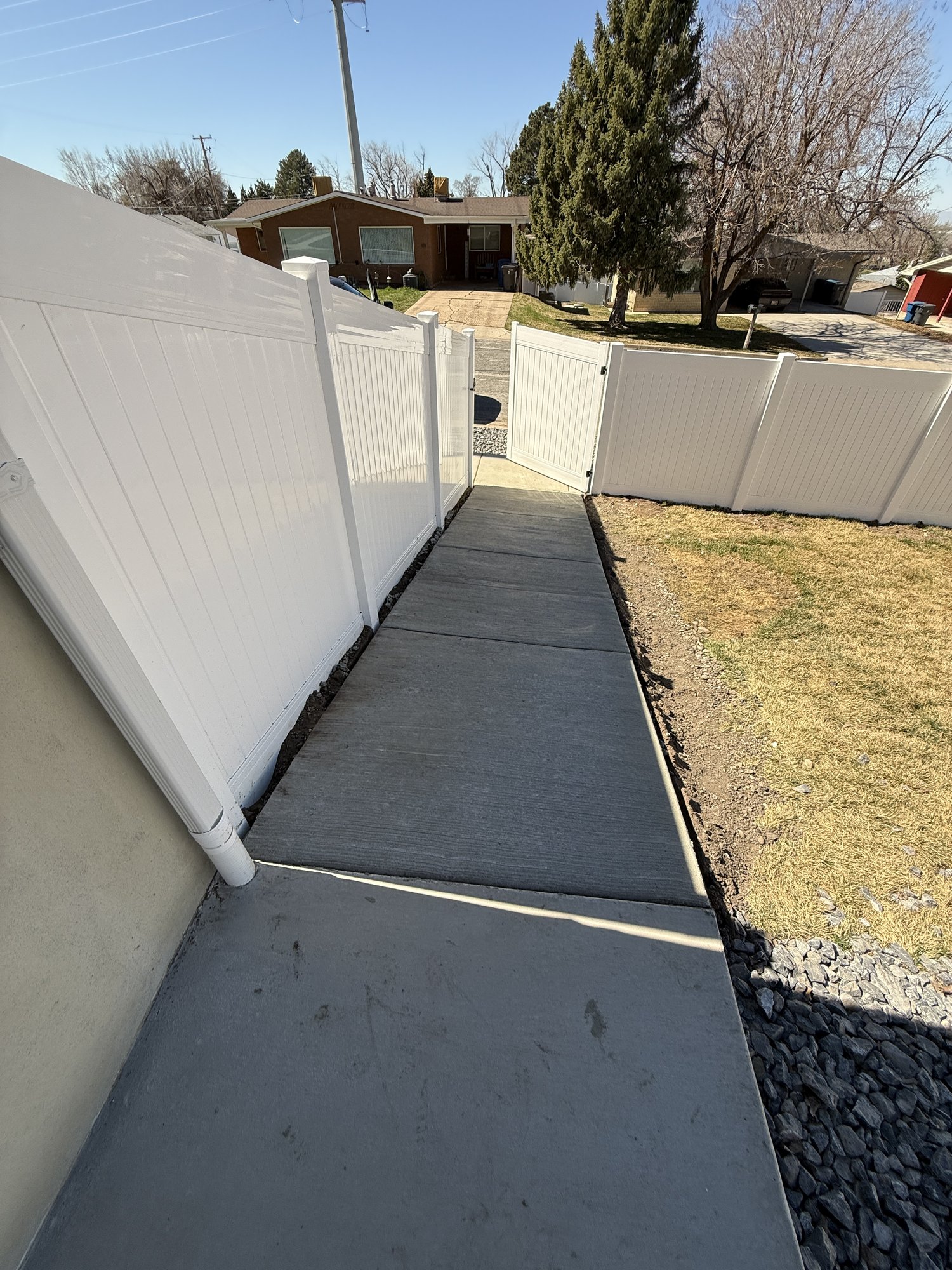
Flatwork that doesn't crack by spring
Most failed concrete in Northern Utah comes down to two things: a base that wasn't compacted properly and joints that weren't cut where the slab wanted to move. Freeze-thaw finds both.
We prep the subgrade, use air-entrained mix rated for our climate, place control joints deliberately, and seal when it's ready — not the same afternoon.
Patios, walkways, and driveways
Steps, landings, and RV pads
Broom, stamped, and exposed-aggregate finishes
Footings and retaining walls
✦ HOME EXTERIOR
The layer that keeps weather out
Siding is the part of your house doing the most work and getting the least attention. When it fails, you usually find out from the inside — a soft spot, a stain, a draft that wasn't there last winter.
We repair and replace siding on homes and outbuildings, and we don't skip what's behind it. House wrap, flashing, and trim details are where most exterior work actually succeeds or fails.
Vinyl, fiber cement, LP SmartSide, Hardie Board, Aluminum, and wood siding
House wrap, flashing, soffit, and fascia
Exterior paint, finish work, Gutters
✦ HOW WE WORK
Four steps, and you know
where you stand at each one
The same process whether we're building a deck, pouring a patio, or re-siding a house.
01
Free on-site estimate
We come out, walk the property, and talk through what's possible and what it costs. No charge, and no pressure to decide while we're standing there.
02
Written scope and schedule
You get the price, the materials, and the start date in writing. If the job needs drawings or a permit, we handle that with your city or county.
03
We manage the whole build
The same people start and finish your project. You'll know who's showing up, and you won't wait on somebody else's subcontractor schedule.
04
Walkthrough before we call it done
We walk the finished work with you. Anything that isn't right gets fixed before we consider the job closed.
✦ FEATURED PROJECTS
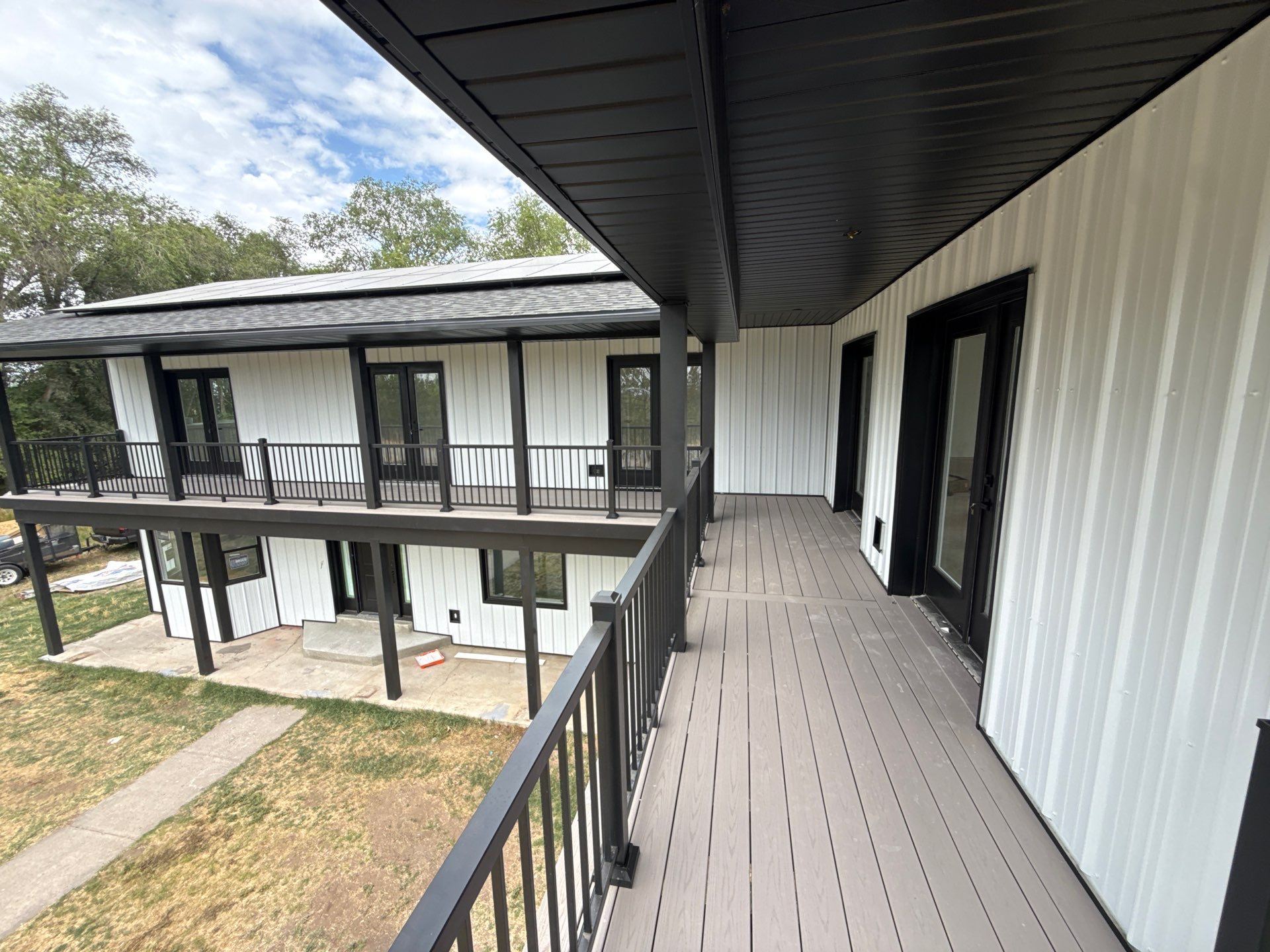
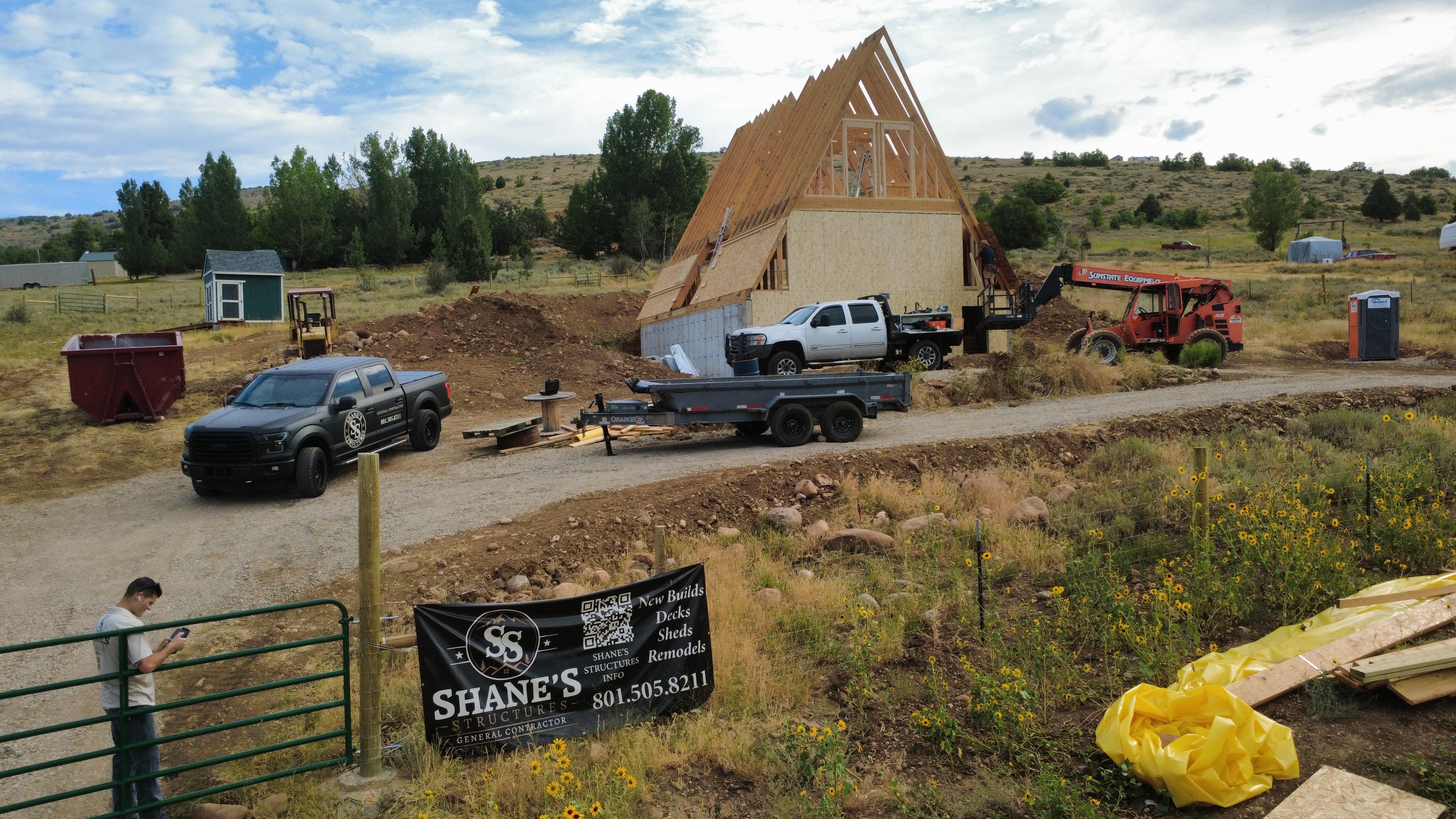
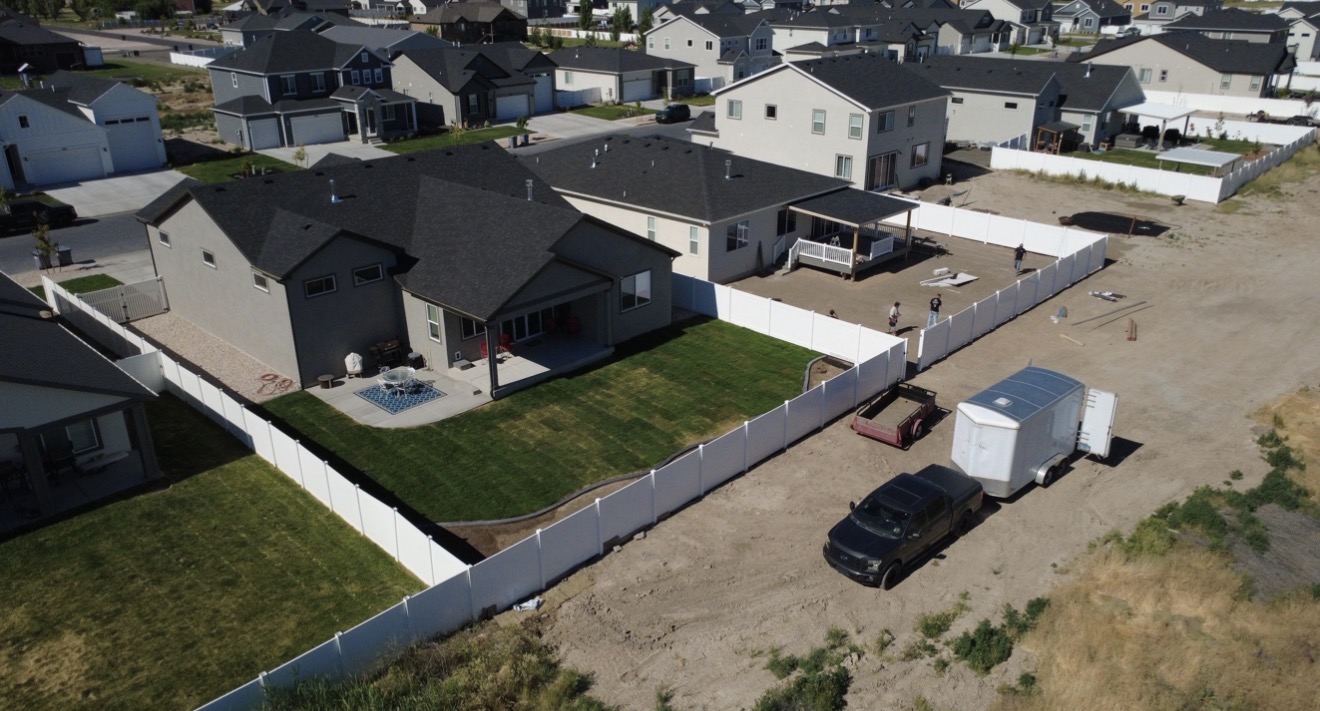
our work speaks for itself
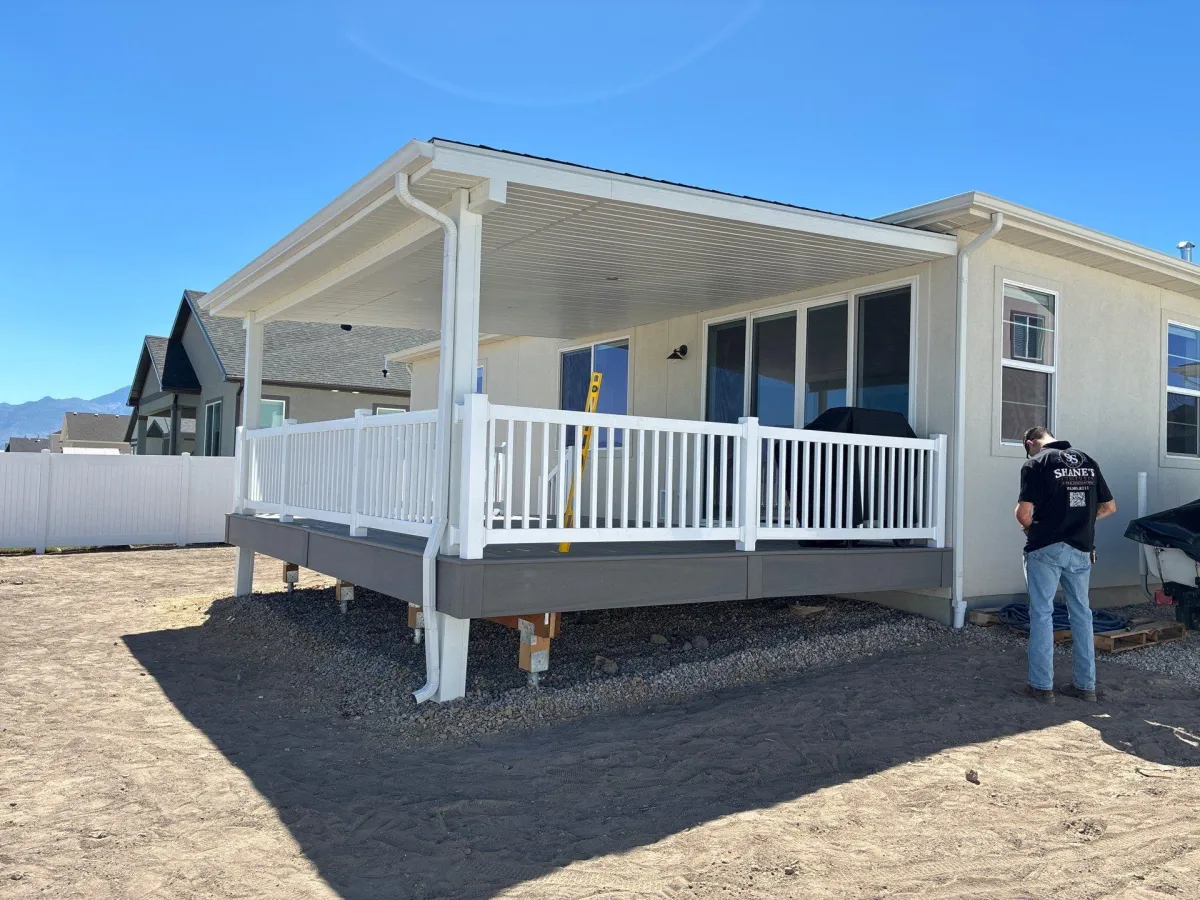
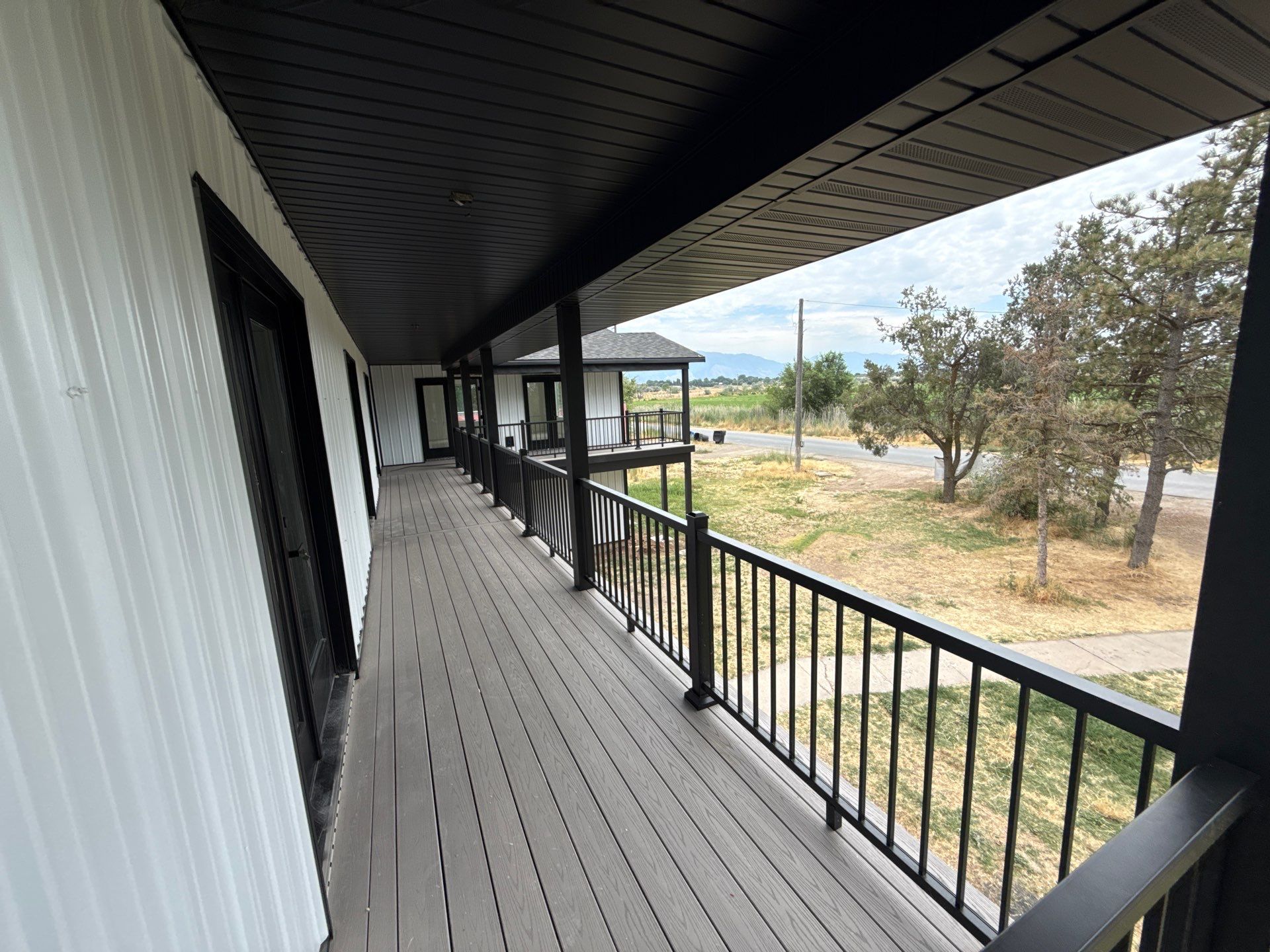
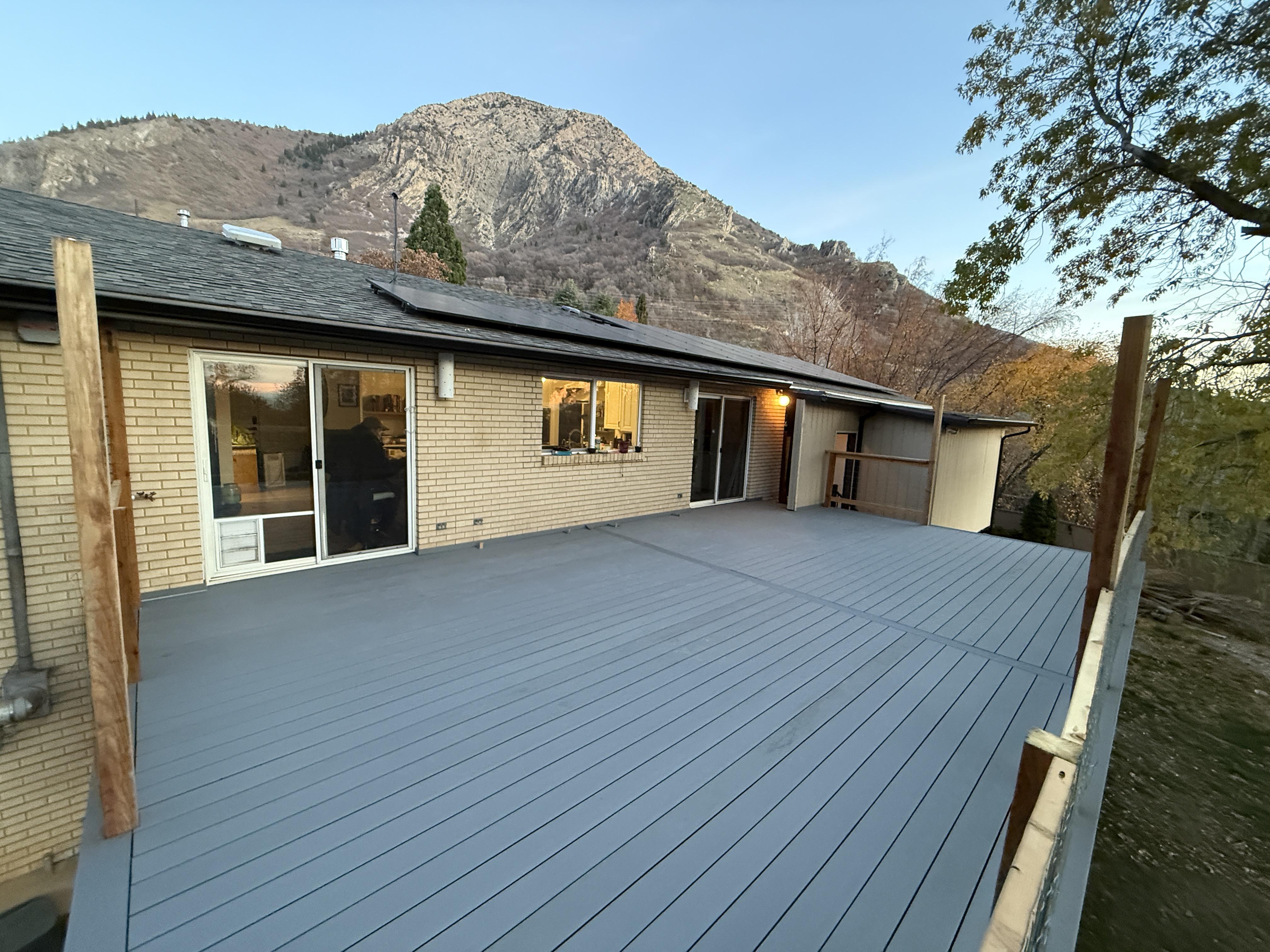
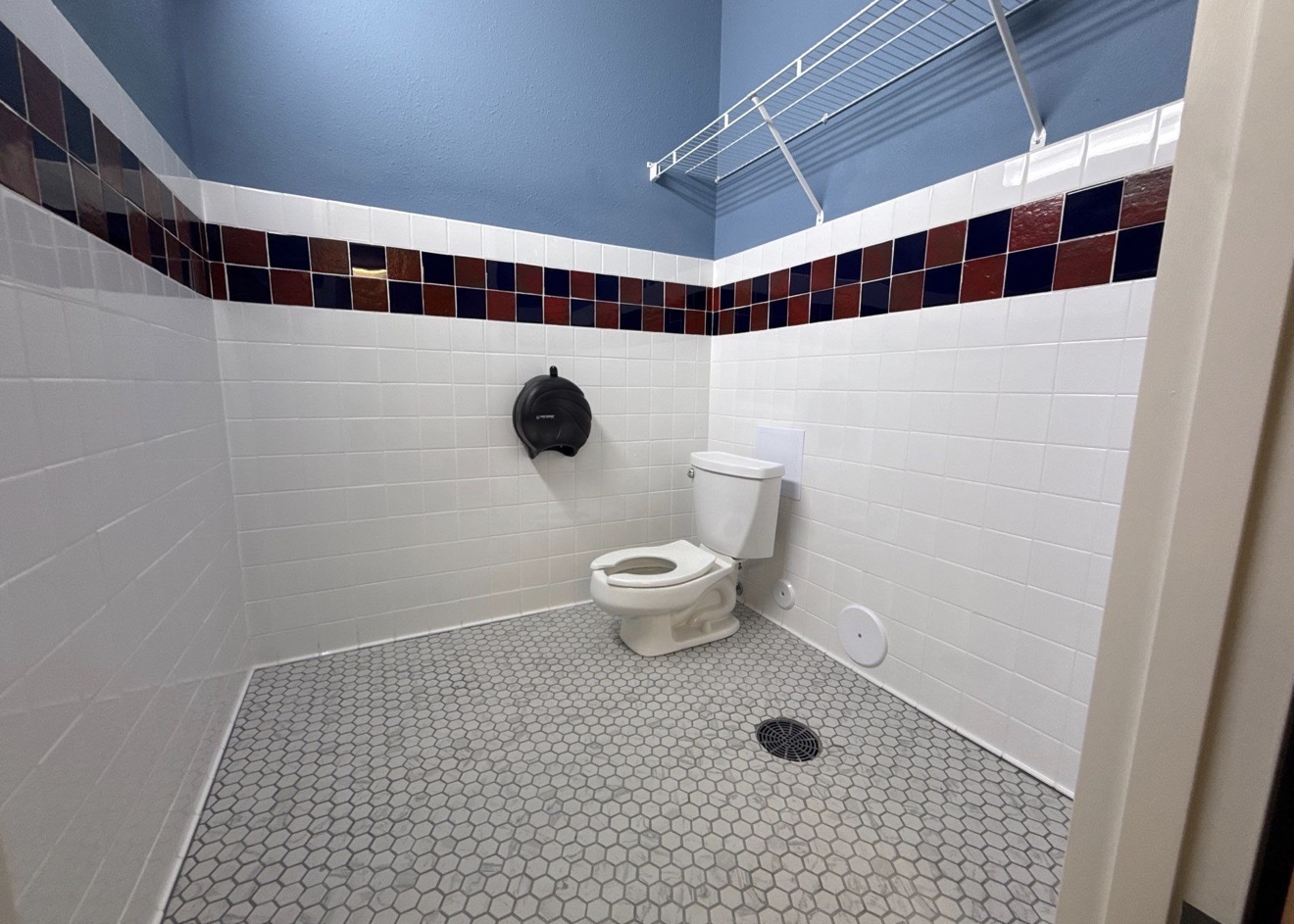
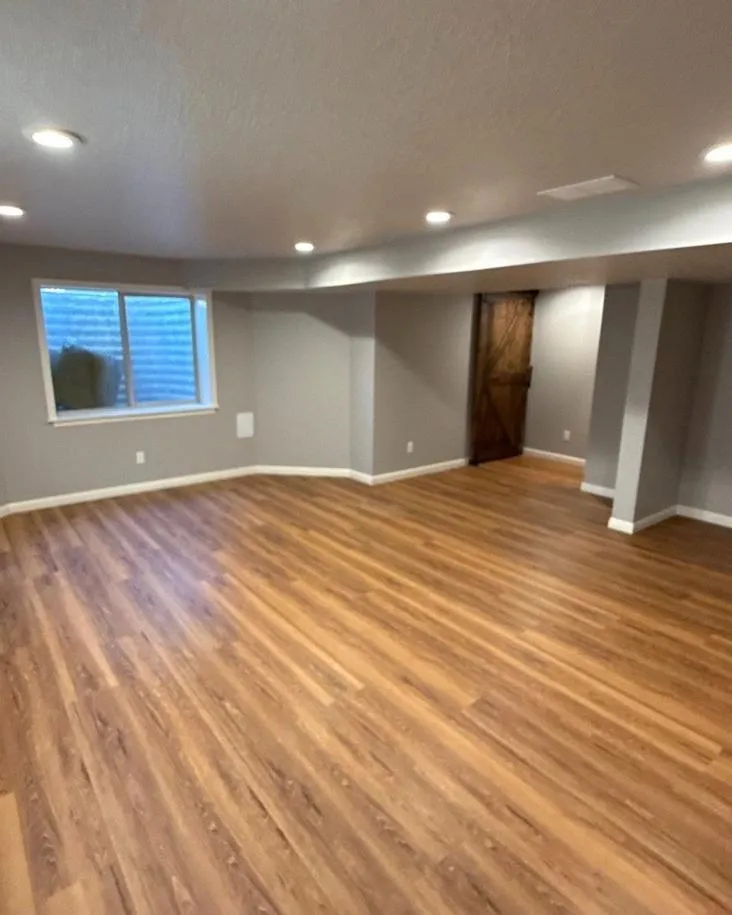
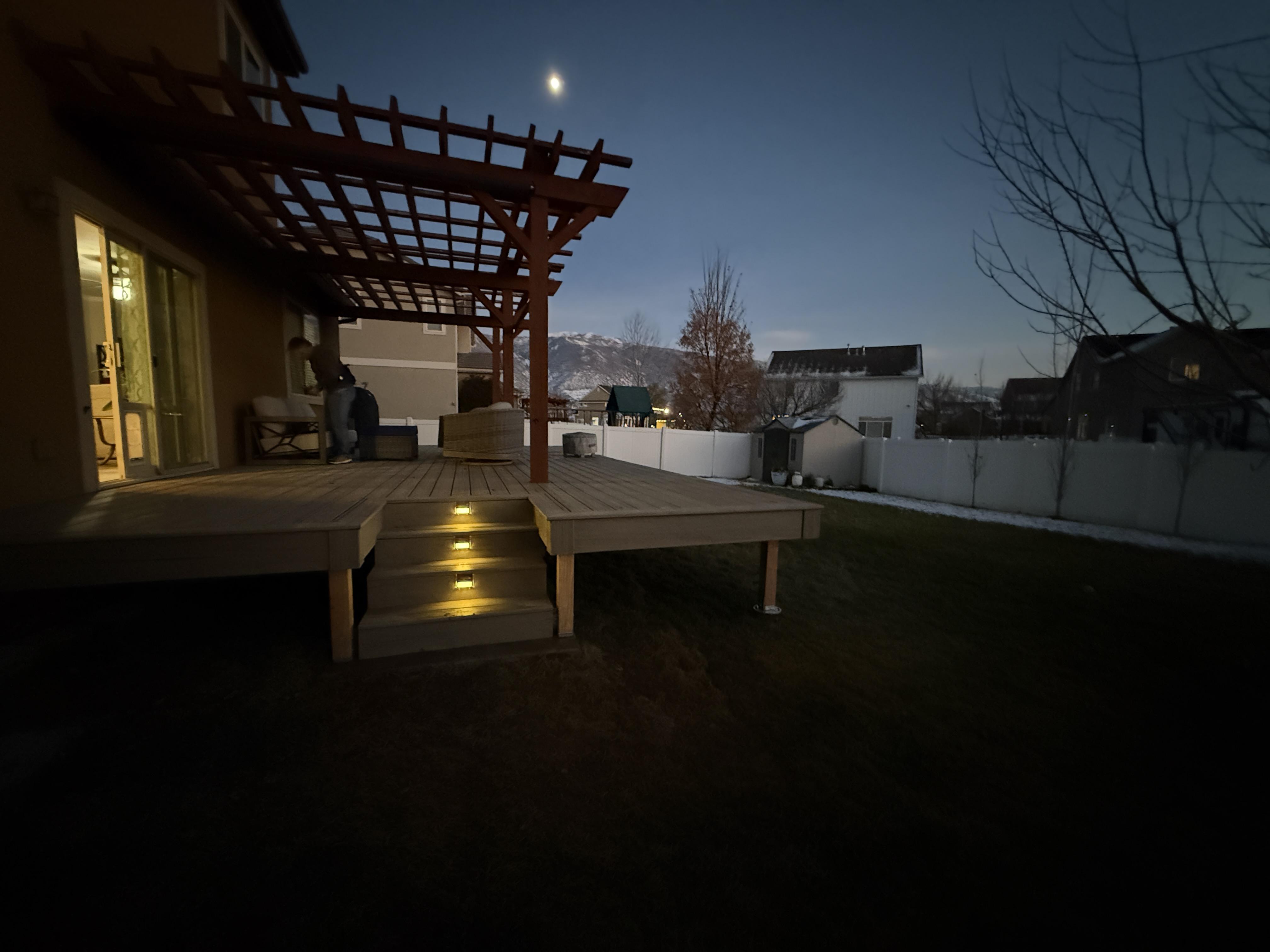
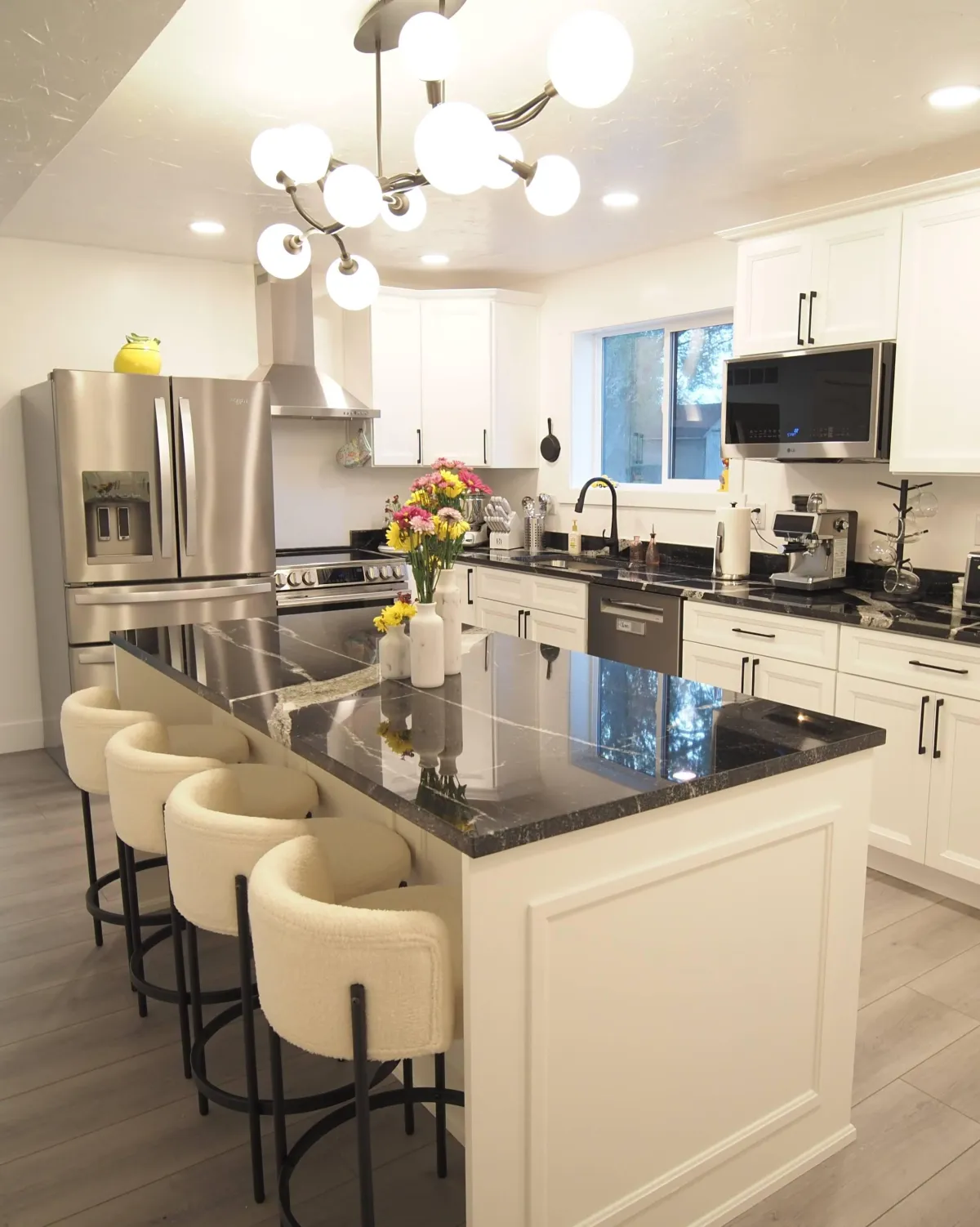
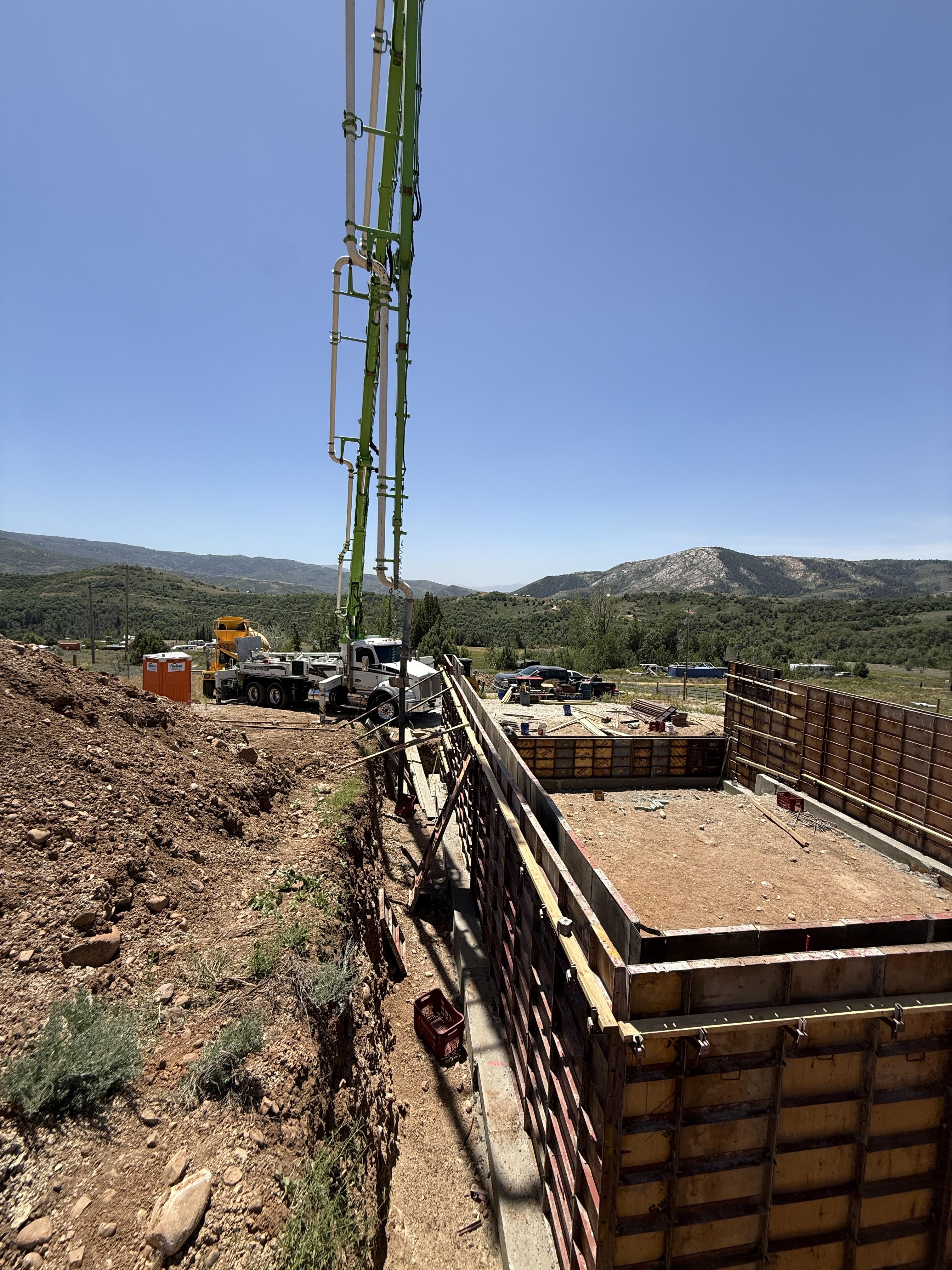
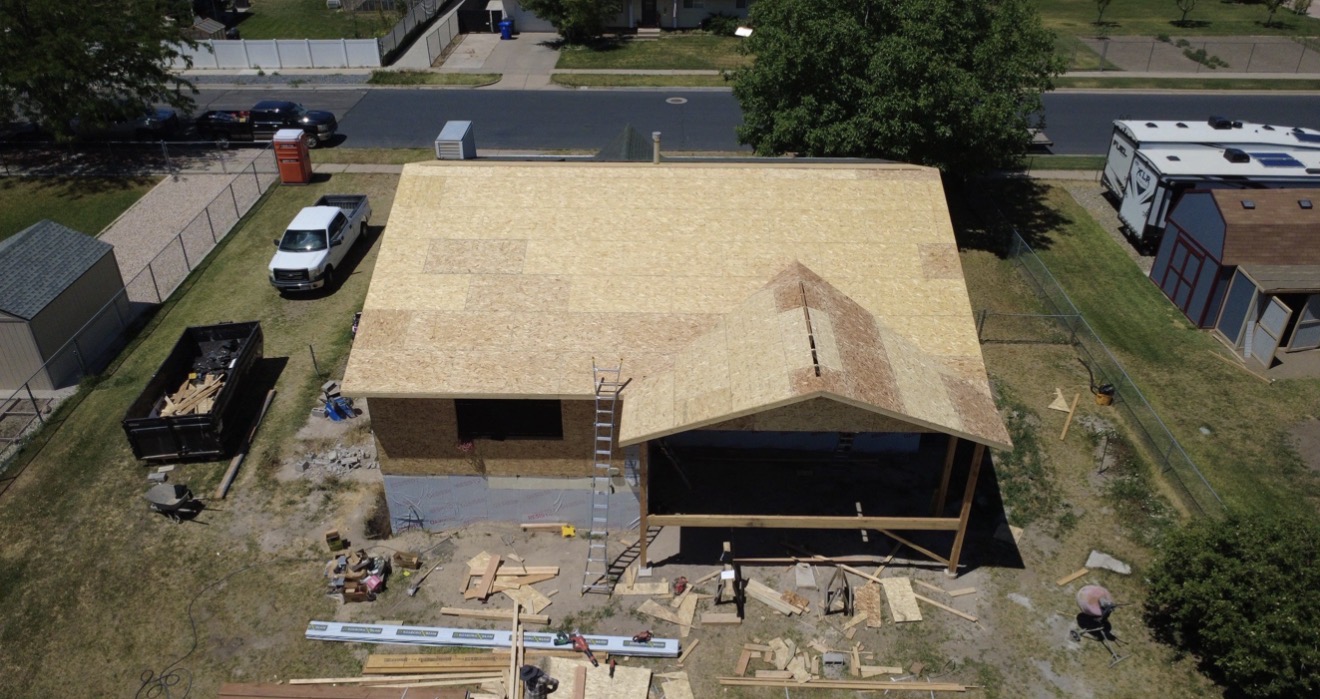
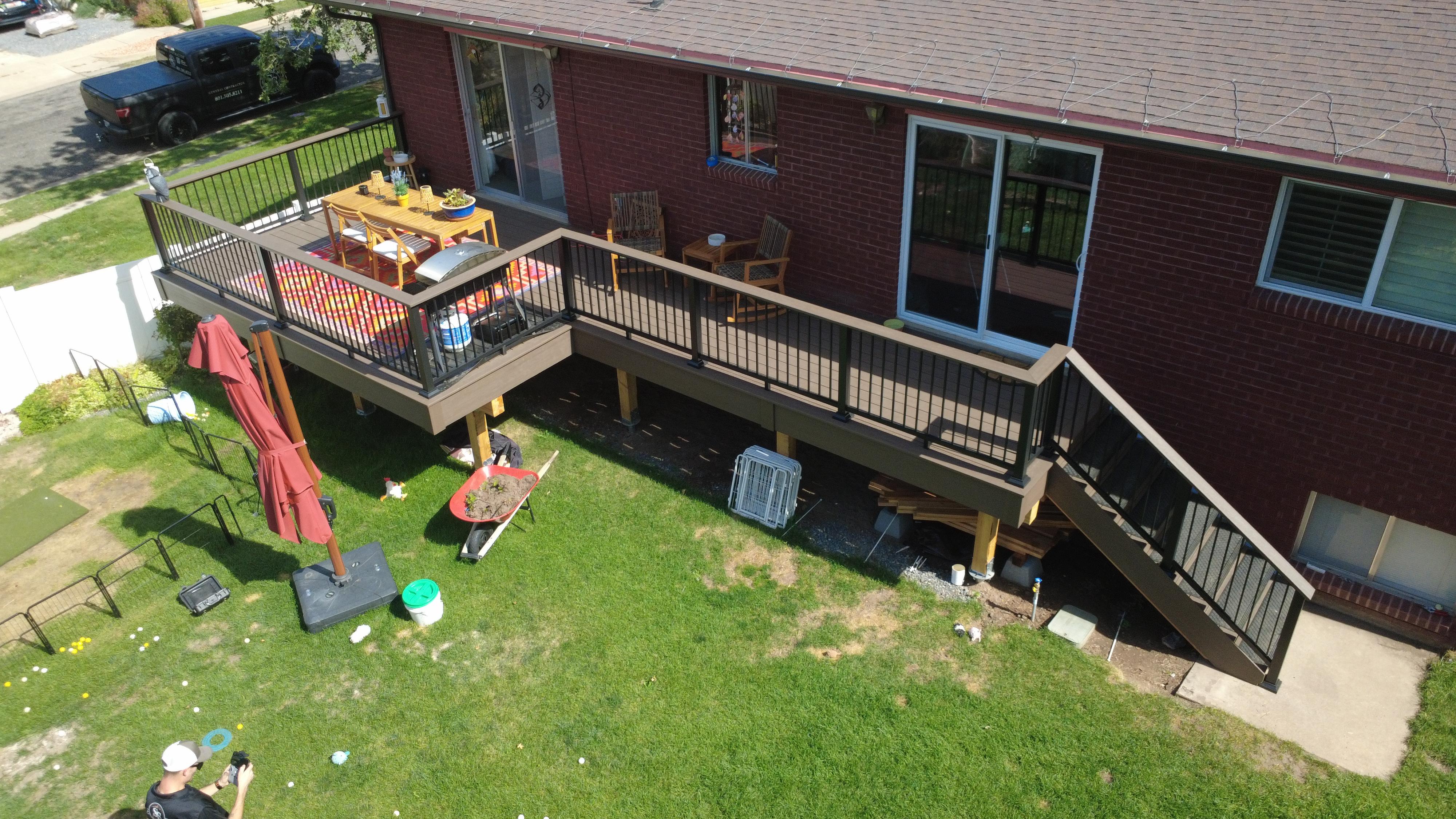
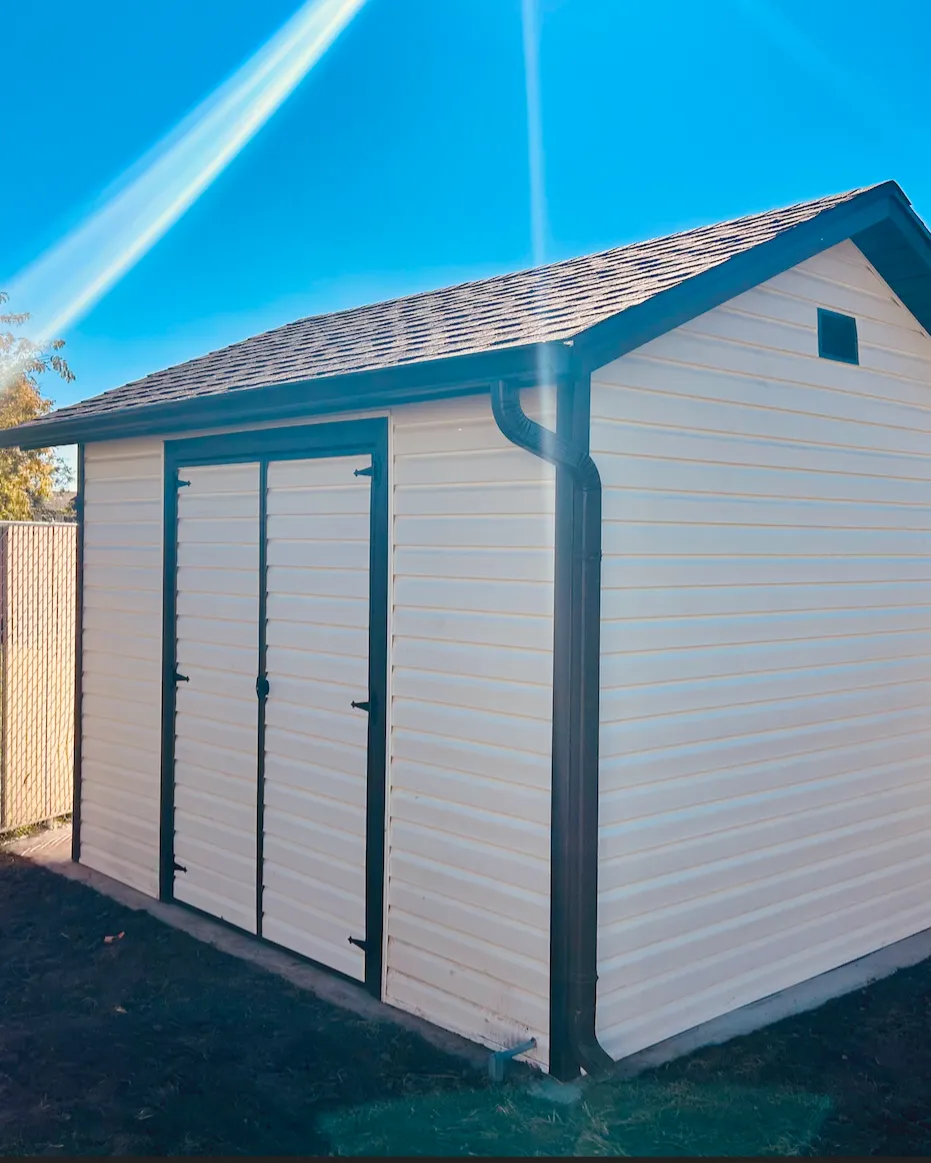
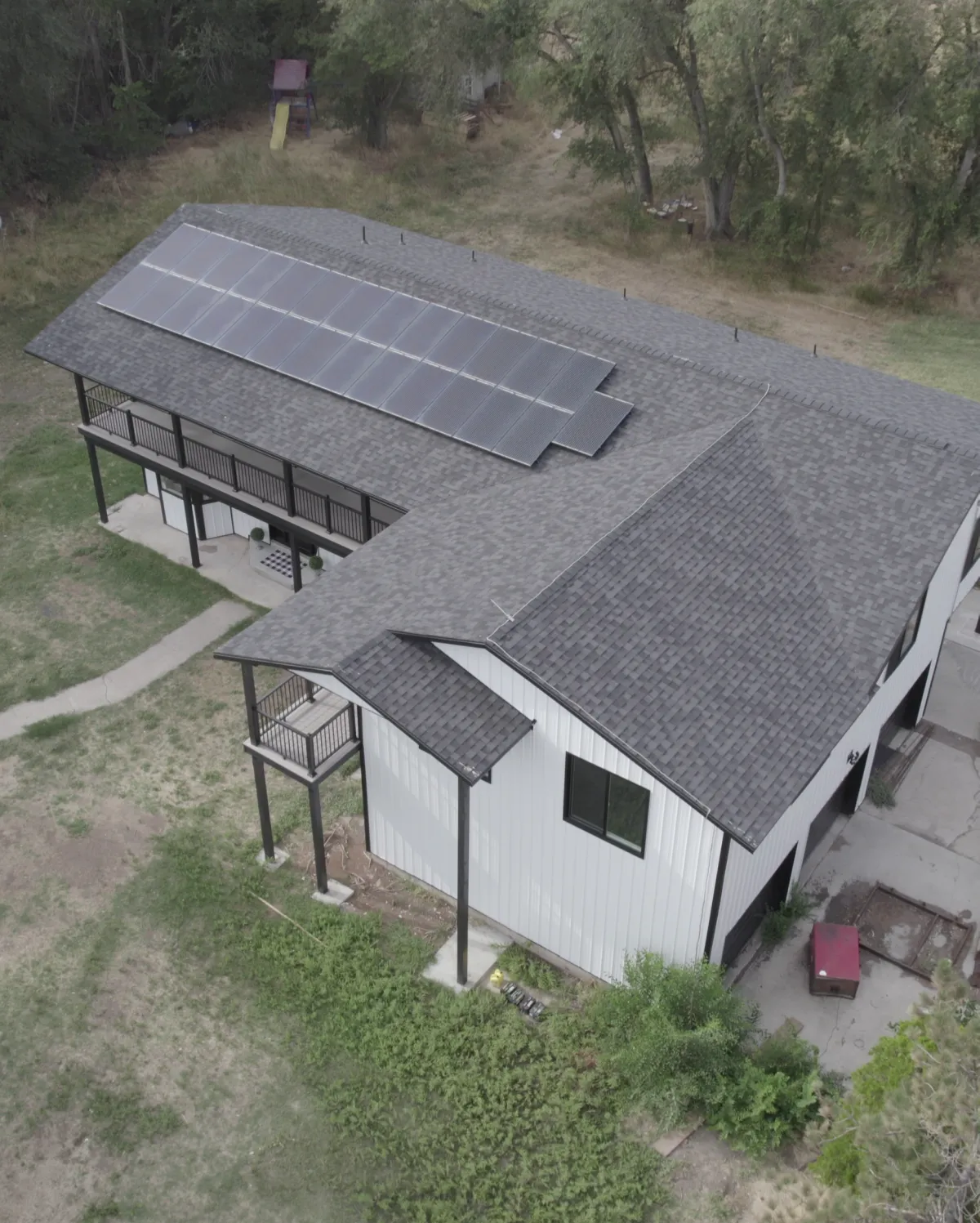

✦ COMMON QUESTIONS
Answers before you pick up the phone
GENERAL
Is the estimate really free?
Yes. We come to the property, look at the job, and give you a written number. There's no charge and no obligation, and we won't ask you to sign anything while we're standing in your yard.
Are you licensed and insured?
Yes. We're a licensed Utah general contractor, DOPL #14212797-5501, and carry full liability insurance. We'll provide certificates on request.
Do you offer financing?
Yes, for projects up to $100,000.
DECKS
What affects the cost of a deck?
Six things, roughly in order of impact: square footage, how high it sits off grade, whether it's covered, the railing you choose, how many stairs it needs, and composite versus wood. A ground-level wood deck and an elevated covered composite deck of the same size can differ by a factor of three.
Do I need a permit for a deck?
Usually, though it depends on the height, the size, and whether it attaches to the house. We check with your city or county and handle the permit as part of the job.
How long does a deck take to build?
Most residential decks run one to three weeks of build time once permits clear. Covered decks and multi-level builds take longer.
Can you build a deck in winter?
Footings need workable ground, so hard-frozen months are limited. Winter is a good time to design and permit so you're first in line when the ground opens up.
CONCRETE
When can I use it after the pour?
Foot traffic after a day or two, vehicles after about a week, and full strength at roughly 28 days. We'll give you the specific timeline for your pour and the weather it's curing in.
Will my concrete crack?
Fine hairline cracking is normal in any slab. What we control is where it happens — properly compacted subgrade and control joints cut where the slab wants to move mean cracks land in the joints instead of across your patio.
Can you pour in cold weather?
Sometimes, with the right mix and protection. We'll tell you honestly if conditions mean waiting would give you a better slab.
SIDING & STUCCO
Repair or replace — how do I know?
If the damage is localized and what's behind it is dry and sound, repair is usually the better value. If we find rot, failed house wrap, or moisture in the sheathing, patching over it just hides the problem. We'll show you what we find before recommending either.
Can you match my existing siding or stucco?
Often, though older profiles and weathered colors can be hard to match exactly. On stucco we can usually blend a texture well; on siding it depends on whether the profile is still manufactured. We'll be straight with you about how close we can get.
✦ GET STARTED
Free estimates.
No pressure.
★★★★★ 5.0 · 130+ reviews · Licensed & insured

Owner-led general contracting across Northern Utah — new builds, decks, sheds, basement finishes, and additions built for our winters


HOURS
Monday-Friday: 9am to 5pm
Saturday: Closed
Sunday: Closed
© Copyright 2026. Shane’s Structures. All rights reserved.